Interfering Urbanisms: Art, Temporality, Inclusion, and Decolonial Pathways Toward Circular Futures
Introduction to WG 3 overall developments 2nd Cost year
Agata Pięt
Urban installations and gathering points are intrinsically connected to art, temporality, inclusion and decolonial practices. The complexity and intersection of these aspects open up possibilities for imagining and creating circular futures. Artistic interventions in public space are increasingly emerging as important sites for experimenting with alternative urban imaginaries and practices. Temporary installations and community-led initiatives can become laboratories for testing circular approaches to different materials, collective engagement and spatial transformation.
Recent research in this field spans a wide range of disciplines and practices. On a larger scale, it connects to city planning, urbanism and bottom-up, community-led interventions, with the potential to influence governance models in cities. It also relates to artistic practices in public space, socially engaged arts and building with waste or reclaimed materials. Circularity is understood here across multiple scales – not only in material and physical terms, but also in social, cultural, and temporal dimensions. All of these aspects intersect with inclusion, decolonial practices, and questions of inclusivity, participation and sharing of knowledge.
This work on Urban Installations and Gathering Points weaves these elements together to explore their shared potential for shaping circular futures.
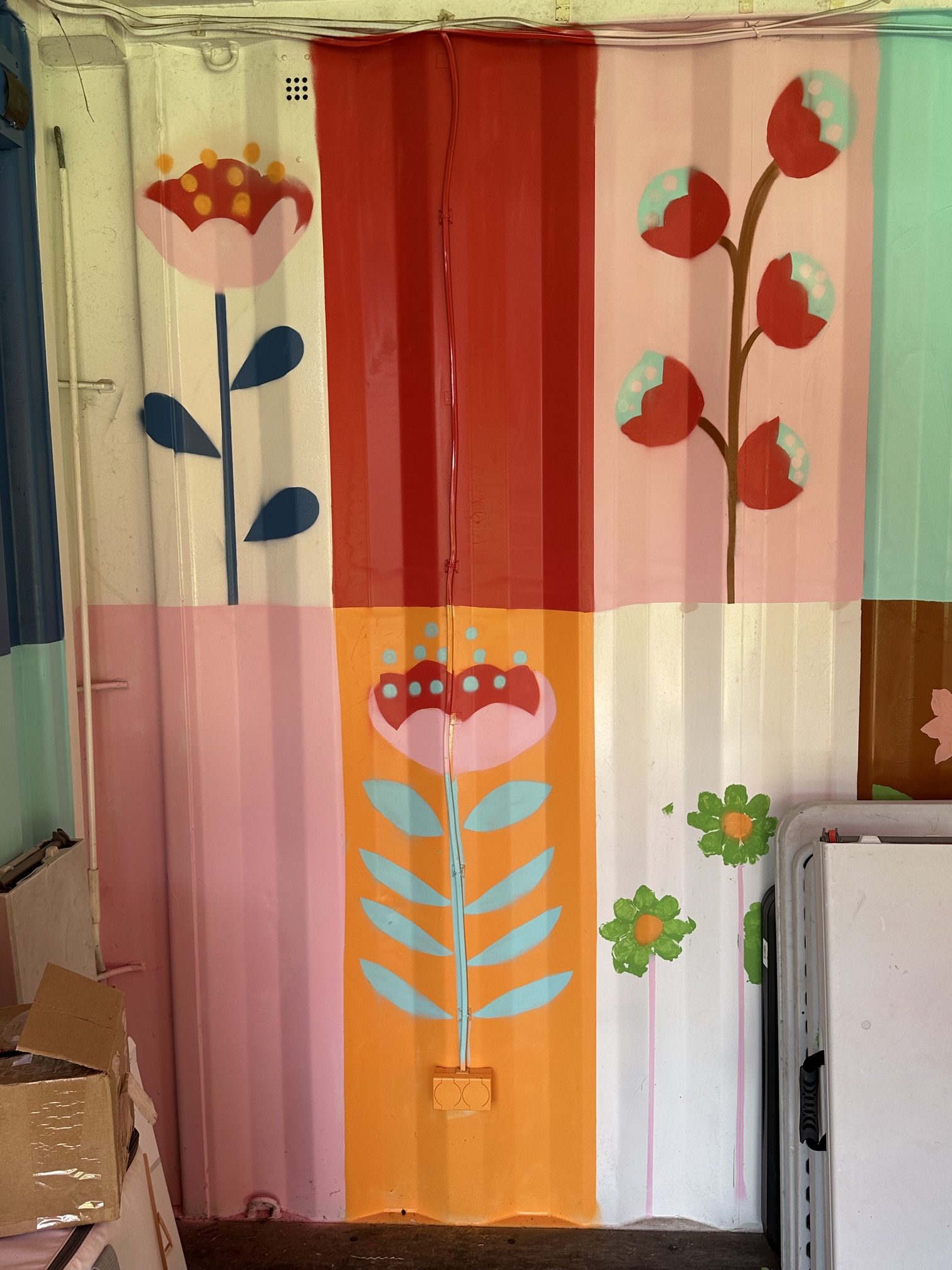
Image 1 - Co-creation of the pavillion - paintings by children (photo: Agata Piet)
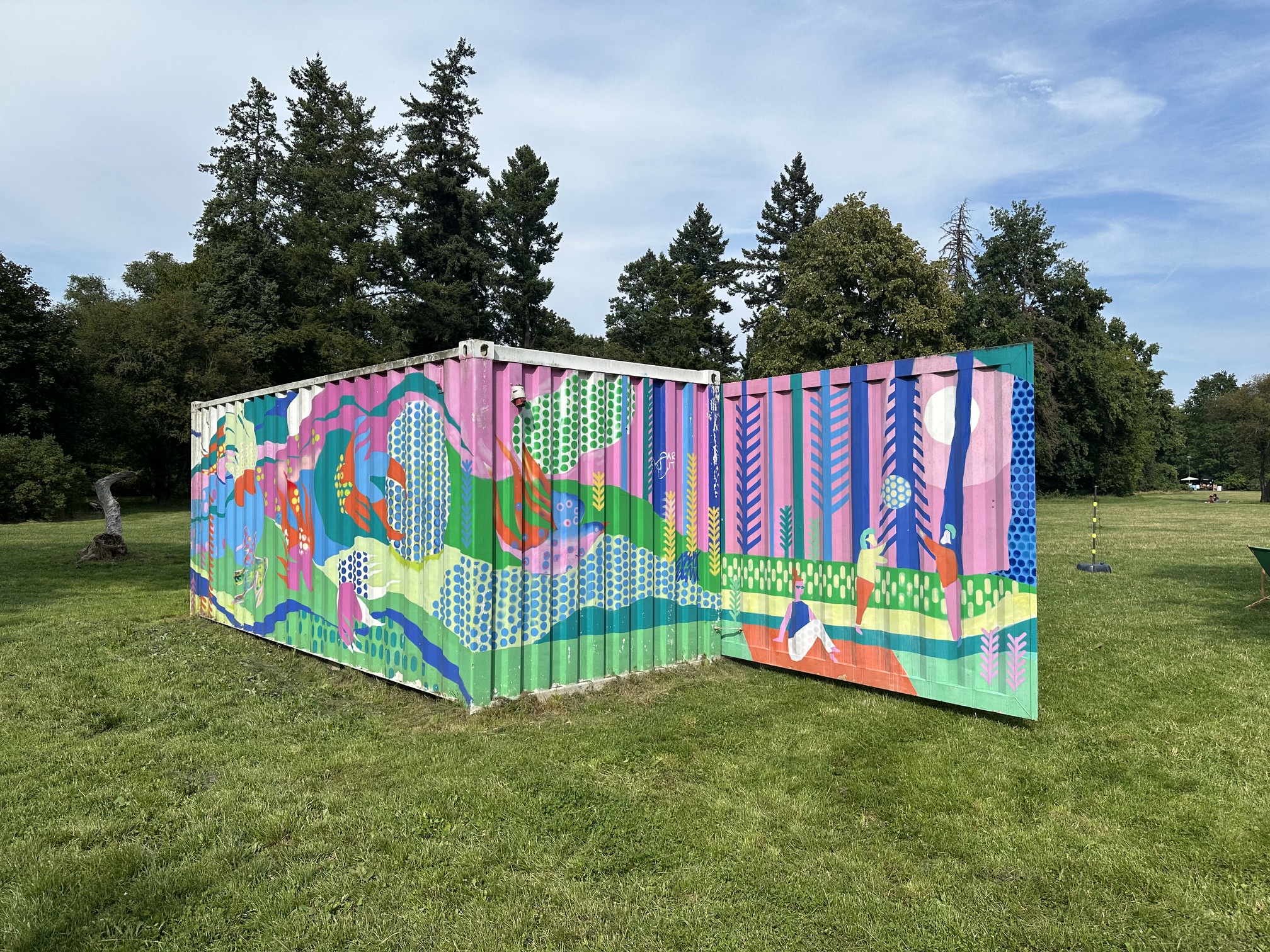
Image 2 - Pavillion in Grabiszyński Park in Wrocław, Poland (photo: Agata Piet)
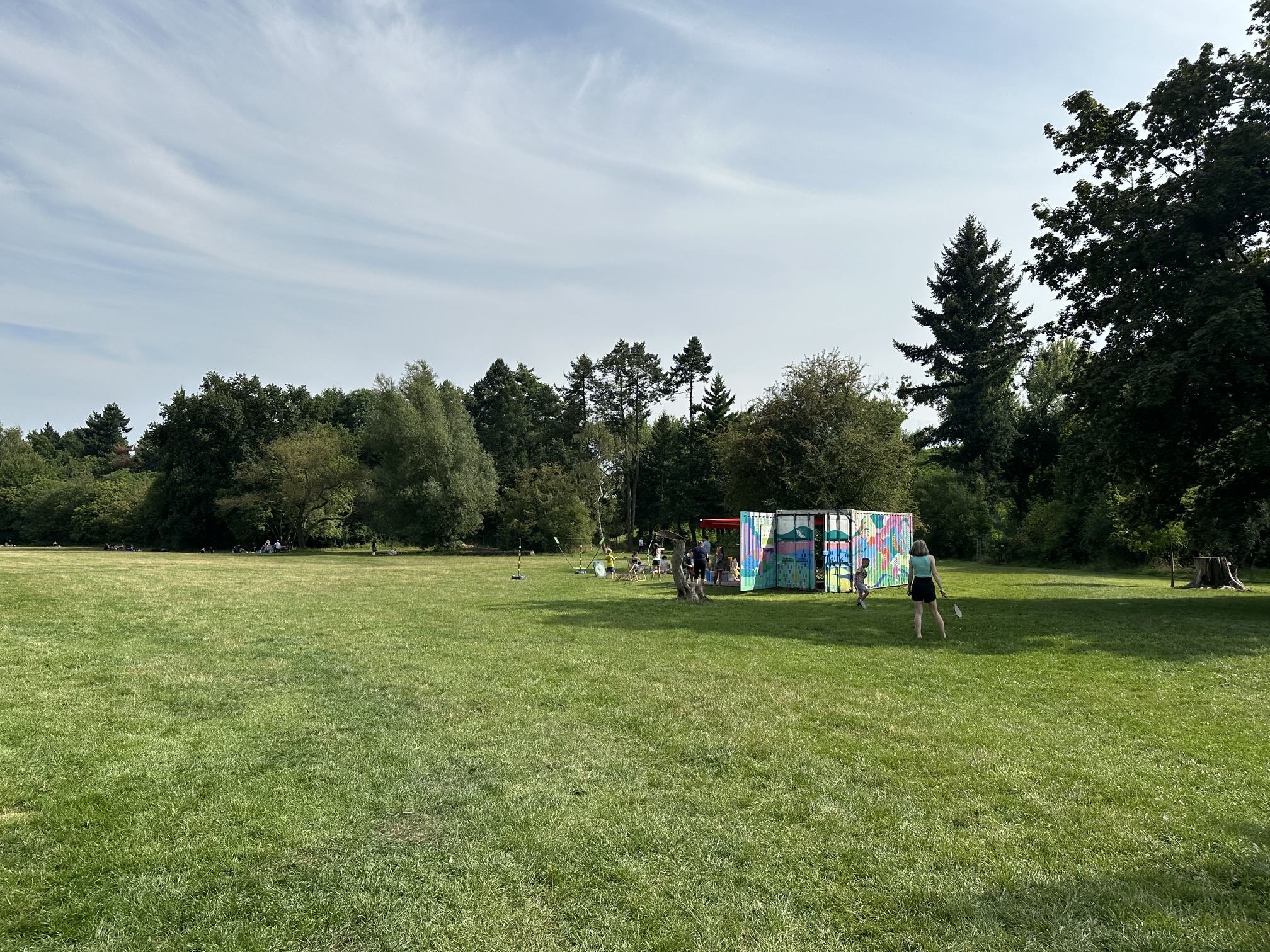
Image 3 - Pavillion of culture and recreation in Grabiszyński Park in Wrocław, Poland (photo: Agata Piet)
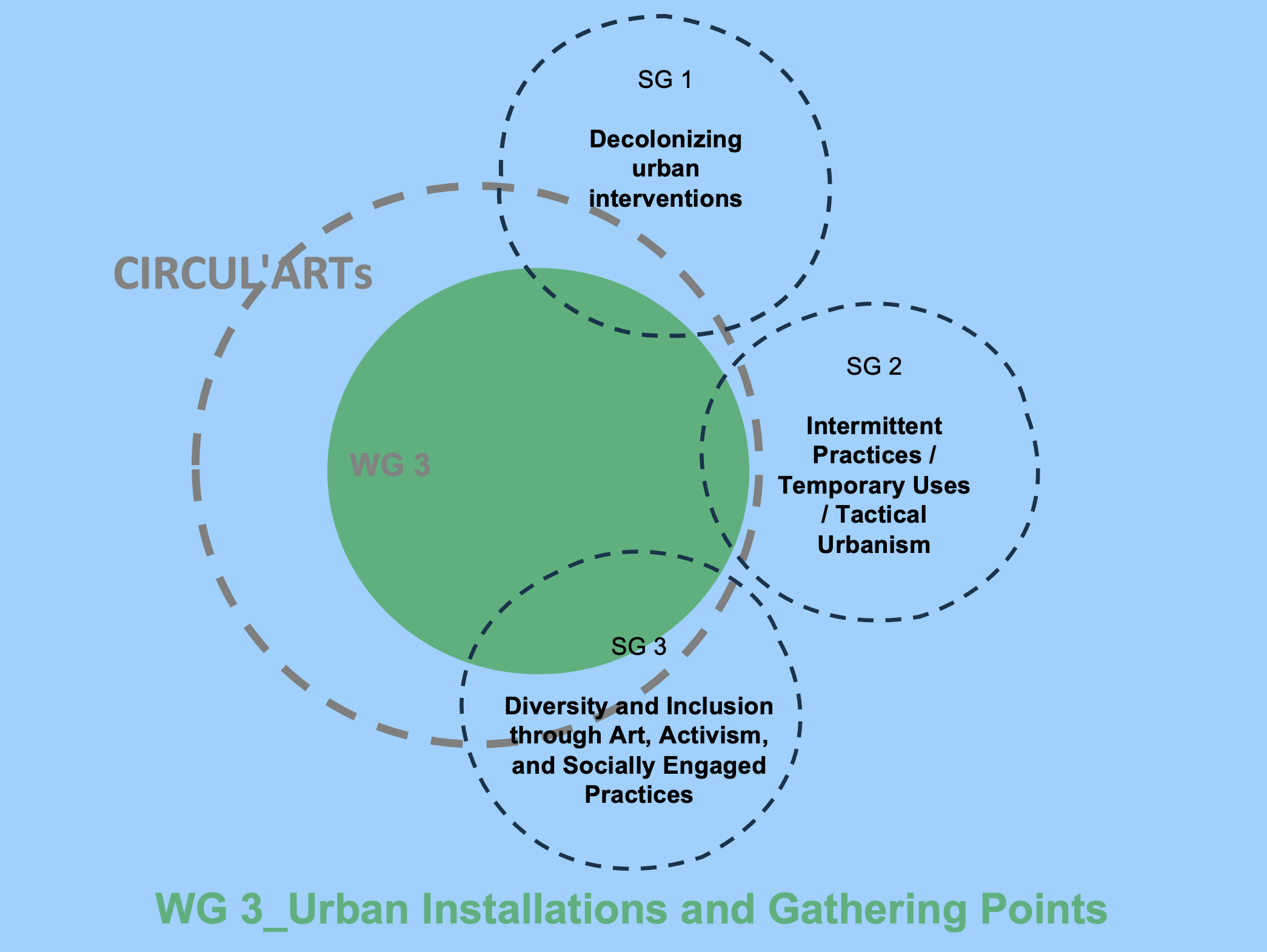
Image 4 - WG3 structure (photo: Agata Piet)
Collective Memory in Urban Spaces: Reclaiming Women’s Representation through Augmented Reality
Isabel Carvalho
This study examines how artivist Augmented Reality (AR) installations can act as critical expressions to (re)configure collective memory and enhance women’s representation in public spaces. Grounded in feminist urban studies and arts-based research, the study analyses the #MakeUsVisible project, with particular focus on #JulietToo by Tamiko Thiel, as a case study of digital counter-monuments. These artistic practices respond to the persistent underrepresentation and objectification of women in public monuments, challenging dominant representations by adding layers of different narratives to existing public monuments, without physically altering them. #MakeUsVisible AR installations address the ongoing underrepresentation and objectification of women in public monuments and transform spaces where gender is often invisible into canvas to create art for resistance, reflection, and collective care. The results highlight how these artivist interventions challenge culturally accepted patriarchal norms and urban social practices that are often unquestioned.
AR counter-monuments contribute to debates on how feminist artivism can generate artistic interventions that express diverse narratives and lived experiences, function as civic and pedagogical tools that promote spatial critical thinking and support the (re)construction of a collective memory that fosters more equitable forms of spatial representation.
Reviving Ancestral Landscapes through Circular Placemaking and Artistic Intervention in Polhograjski Dolomiti Landscape Park, Slovenia, and Pretoria localities, South Africa
Matej Nikšič
This proposal presents the results of the European project SMOTIES (https://www.uirs.si/en-us/book/id/134) in Slovenia’s Polhograjski Dolomiti Landscape Park, exploring how the circular reinvention of local heritage can revitalize remote communities. Our methodology employed a two-phase approach: first, a comprehensive analytical mapping of assets using GIS data, fieldwork and community-led walks (Sprehosad) to identify material and immaterial heritage. Second, a co-creation phase utilized participatory design and site-specific artistic interventions to transform these assets into active public venues.
Key natural and cultural assets (including forest trails, traditional orchards, hayracks, and wooden crafts) were reimagined as social spaces. For instance, orchards were transitioned from private agricultural sites into semi-public venues through symbolic artistic touches, such as constructing large nests from local materials. Similarly, traditional food production was revitalised through communal bread-making workshops, serving as a cultural bridge for social interaction and the community’s rethinking of local traditions to correspond to contemporary needs. Built heritage, such as double-hayracks and drywalls, was repurposed into inviting venues for art exhibitions, integrating historical structures into contemporary socio-economic life.
Drawing a cross-continental parallel to our work developed in cooperation with the University of Pretoria, we argue that fostering community engagement through such bottom-up, artistic approaches is a universal tool for regenerative environments. Whether in Slovenia or the evolving public spaces of Africa, the decentralisation of knowledge and the empowerment of local artisans are essential for a resilient, circular future. The presentation will conclude with an evaluation of the 'artistic touch' as a methodology for transforming passive heritage into resilient, community-managed public spaces that sustain both local livelihoods and cultural identity.
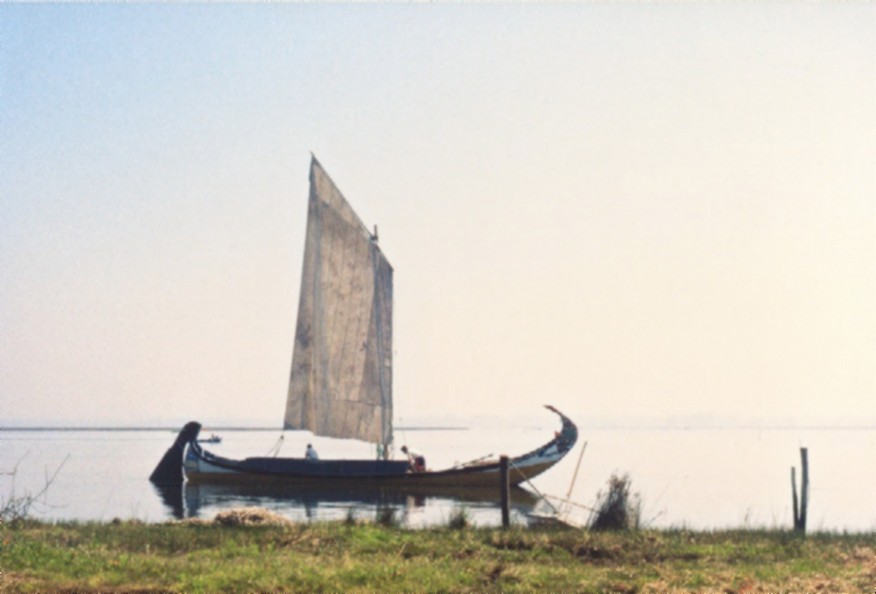
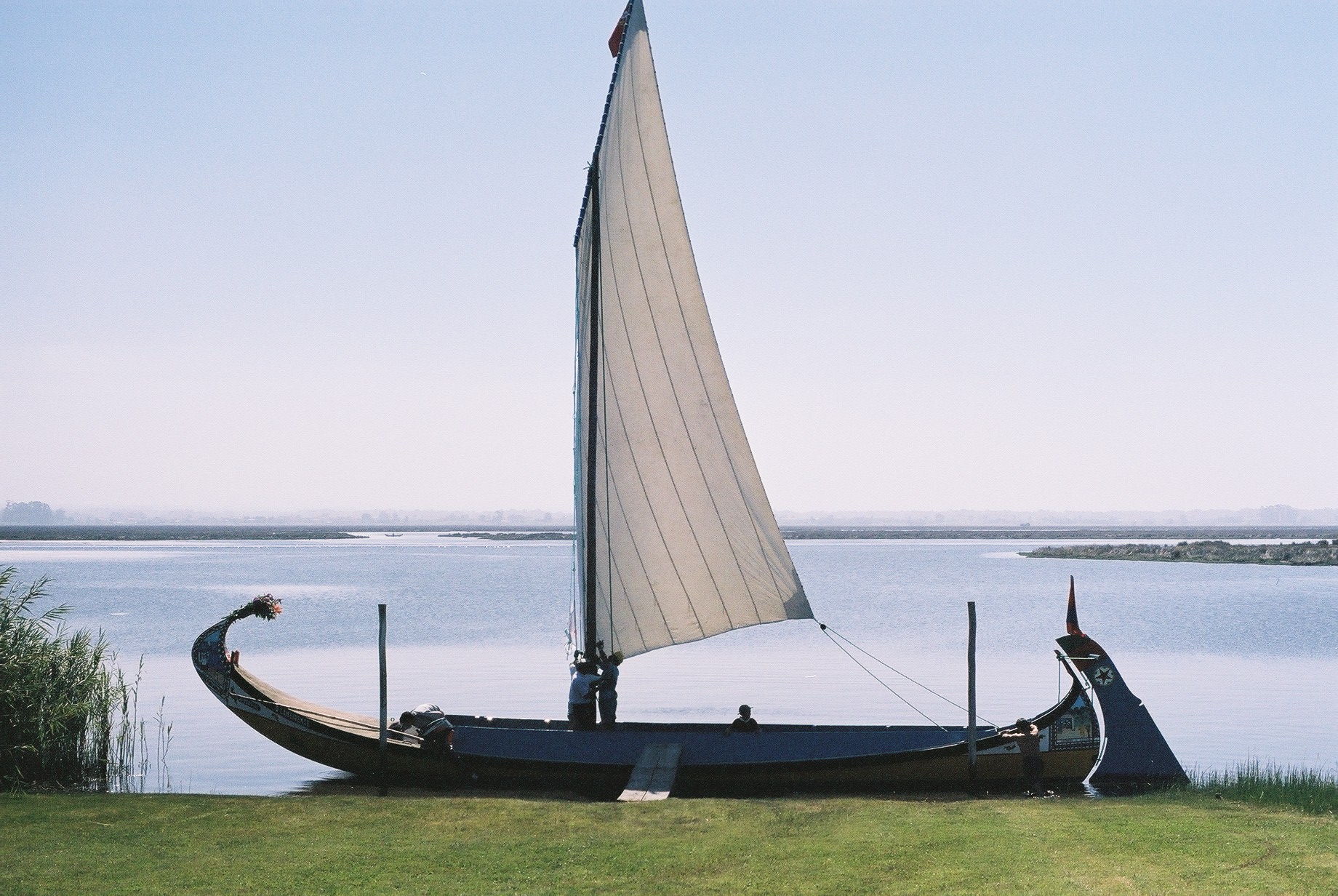
Decolonial Art Practices for Circular Futures: Lessons from the Moliceiro Cultural Ecosystem
Clara Sarmento
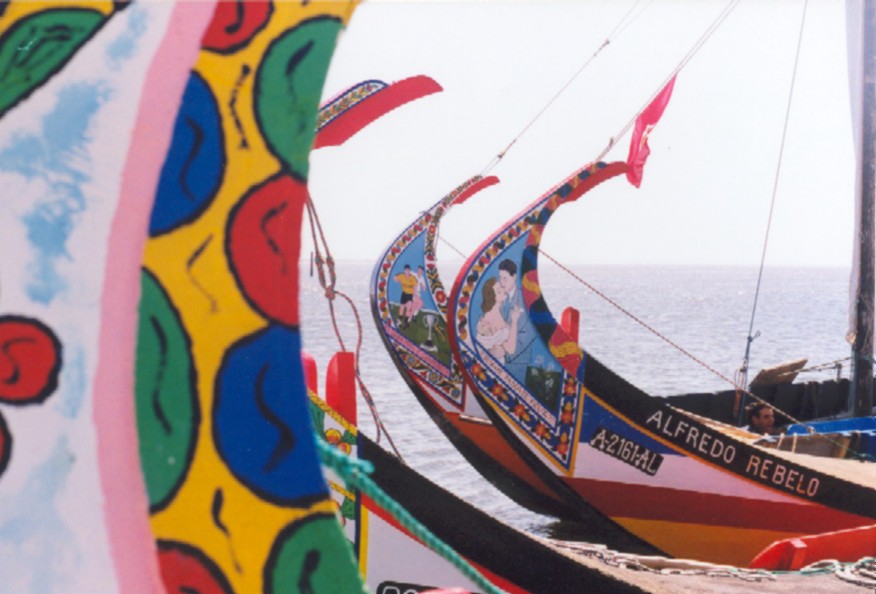
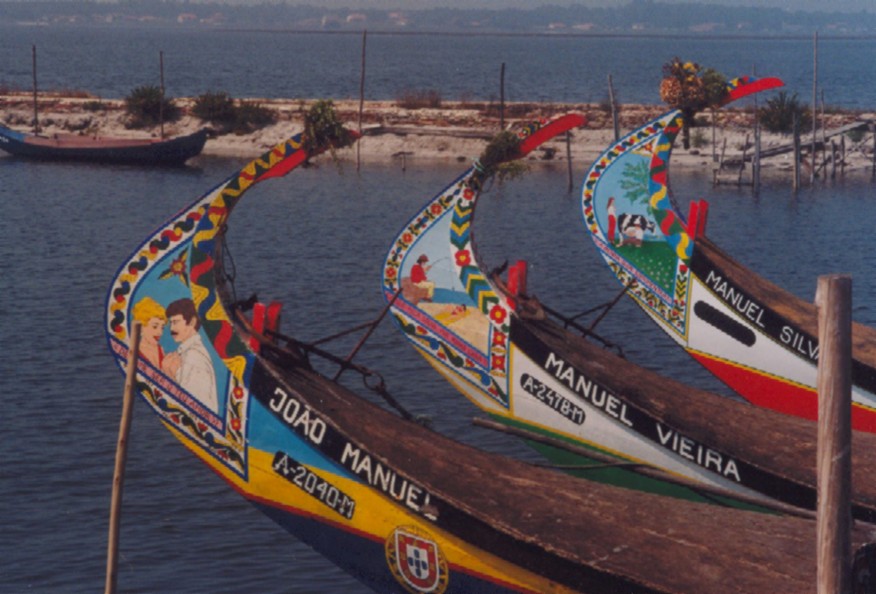
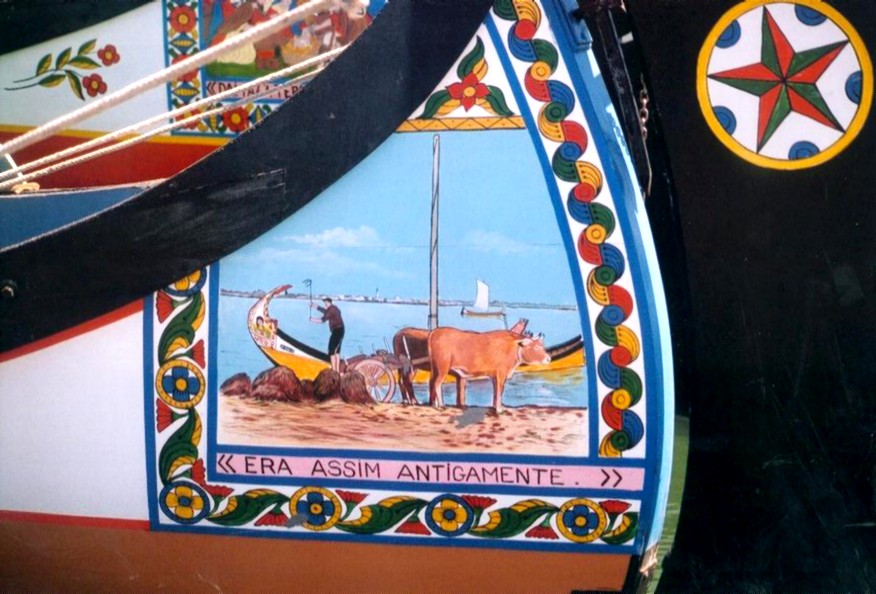
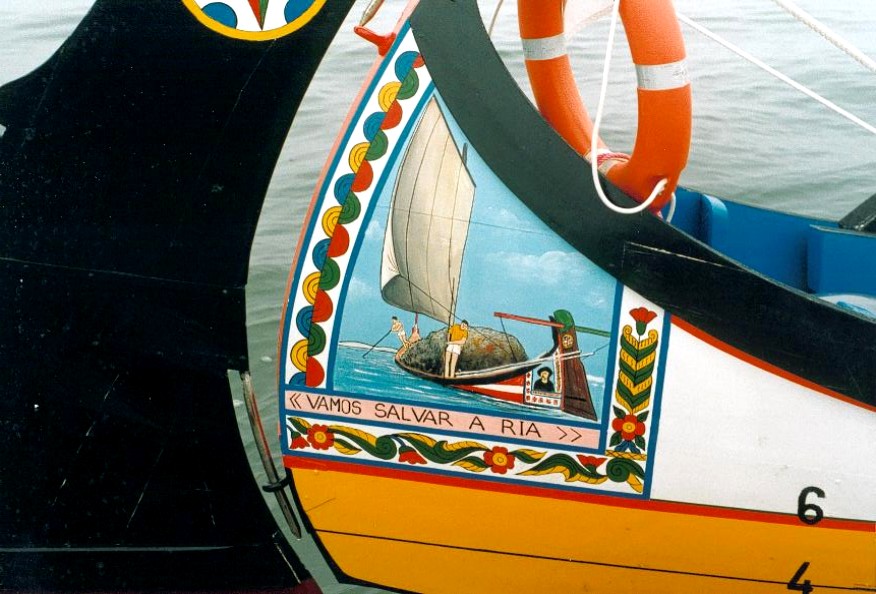
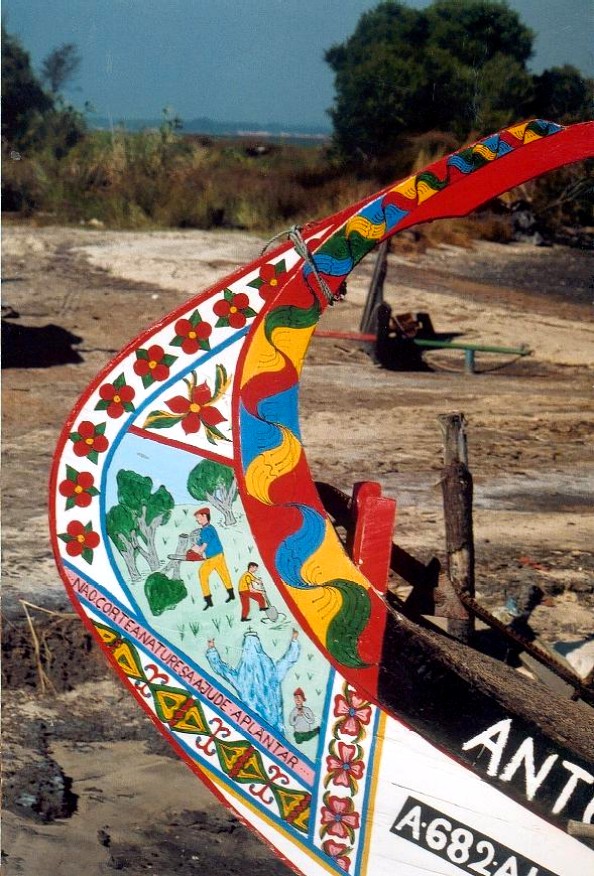
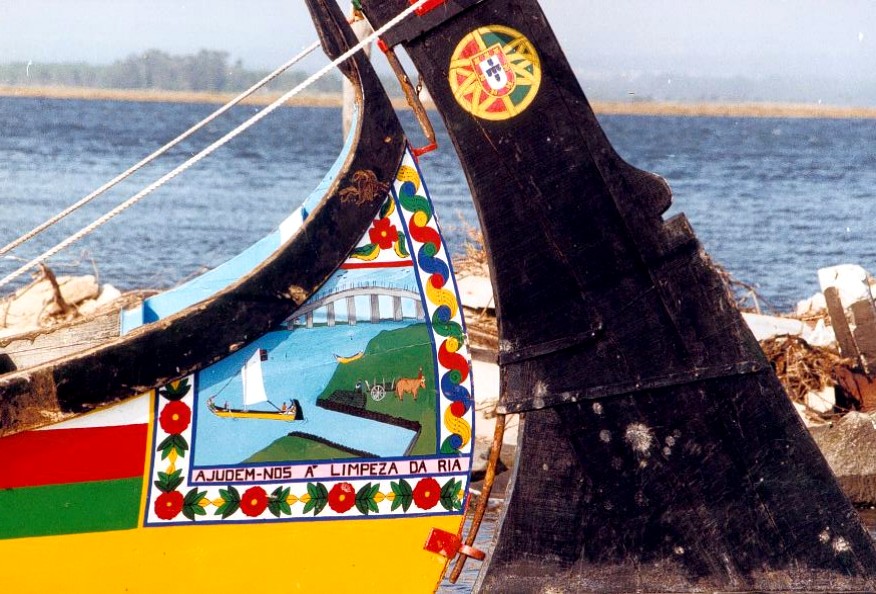
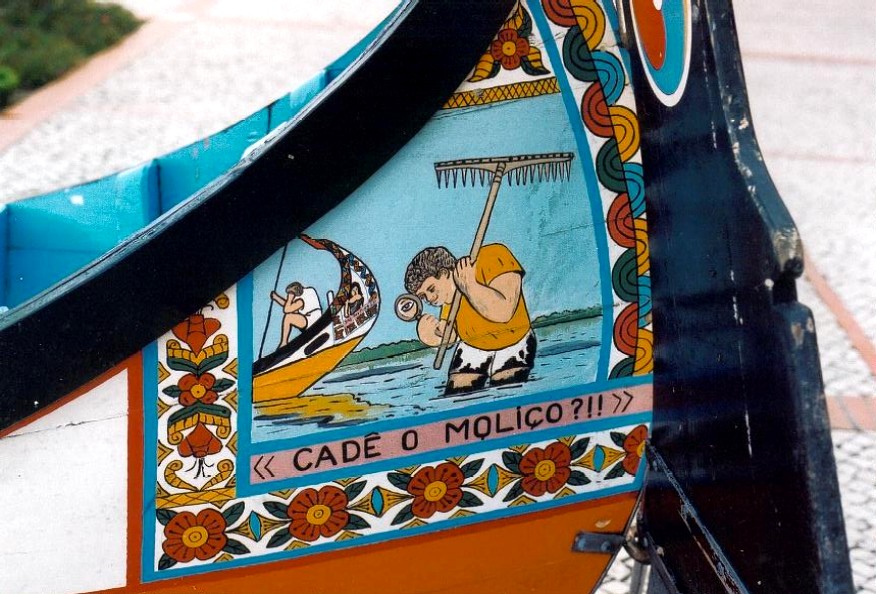
This proposal examines how the cultural ecosystem surrounding the moliceiro boat tradition in Ria de Aveiro (Portugal) offers a model of circular and community-rooted environmental practice grounded in traditional ecological knowledge and ancestral creative expression. Drawing on more than two decades of ethnographic fieldwork, the study analyses the painted panels of moliceiro boats as community produced visual narratives that document deep-rooted ecological knowledge, articulate critiques of environmental degradation and propose context-specific solutions embedded in local experience.
The moliceiro case demonstrates how circularity can emerge organically within traditional practices that integrate sustainable resource management, artisanal craftsmanship and co-creative artistic communication. This proposal highlights the ways in which moliceiro art functions as a community-led environmental monitoring system, a mobile medium of protest and a platform for visual sovereignty through which local actors reclaim narrative agency. Methodologically, the work offers an interdisciplinary framework combining participatory ethnography, visual analysis and cultural ecosystem mapping, contributing directly to the goals of CIRCUL’ARTs, particularly the development of creative, community-empowered methodologies for circular transition driven by art and intergenerational knowledge.
By foregrounding examples of traditional ecological knowledge, sustainable boatbuilding techniques, traditional seaweed harvesting and artisanal salt production, the case illustrates how revitalised heritage practices can support circular futures that respect territory, decentralise knowledge and reinforce cultural resilience. Although rooted in a peripheral European context, the model speaks to wider global challenges and opens pathways for comparative dialogues with non-European contexts where artistic and community-embedded ecological practices also serve as vectors of circularity, activism and territorial belonging.
By engaging with selected standpoints of decolonial theory and Indigenous research methodologies, the proposal foregrounds epistemic justice and the co-creation of plural knowledge systems. In tune with Linda Tuhiwai Smith, Bagele Chilisa, Nego Bispo and Leda Maria Martins, among others, it calls for methodologies grounded in orality, collectivity, shared responsibility and intellectual sovereignty that may inspire the decolonisation of ecological knowledge worldwide.
Image 5 - Traditional decorations and painted panels of moliceiro boats (photo: Clara Sarmento)
Image 6 - Traditional decorations and painted panels of moliceiro boats (photo: Clara Sarmento)
Image 7 - Panel Celebrating Heritage “Era Assim Antigamente” (It Used to Be Like This) (photo: Clara Sarmento)
Image 8 - Panel Calling for the Ecosystem's Preservation “Vamos Salvar a Ria” (Let’s Save the Lagoon) (photo: Clara Sarmento)
Image 9 - Panel Calling for the Ecosystem's Preservation “Não corte a natureza, ajude a plantar” (Do Not Cut Down Nature, Help to Plant) (photo: Clara Sarmento)
Image 10 - Panel Calling for the Ecosystem's Preservation “Ajudem-nos à limpeza da Ria” (Help Us Clean the Ria) (photo: Clara Sarmento)
Image 11 - Panel about water pollution_ Cadê o moliço (Where Is the Seaweed) (photo: Clara Sarmento)
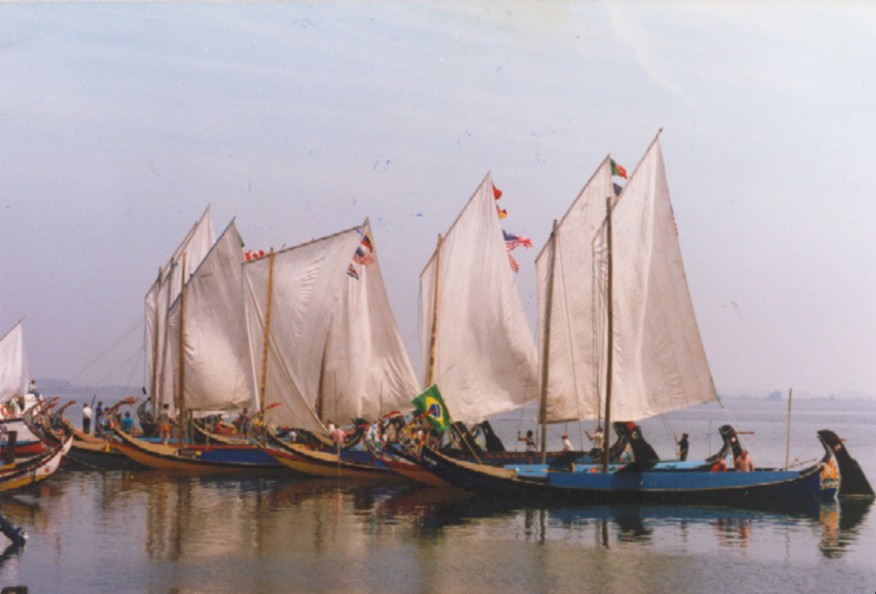
Image 12 - Moliceiro boats in Ria de Aveiro (photo: Clara Sarmento)
Image 13 - Moliceiro boat in Ria de Aveiro (photo: Clara Sarmento)
Image 14 - Moliceiro boat in Ria de Aveiro (photo: Clara Sarmento)
Rethinking Institutions in the Era of Polycrisis to Achieve an Integral Local Development
Inti Bertocchi
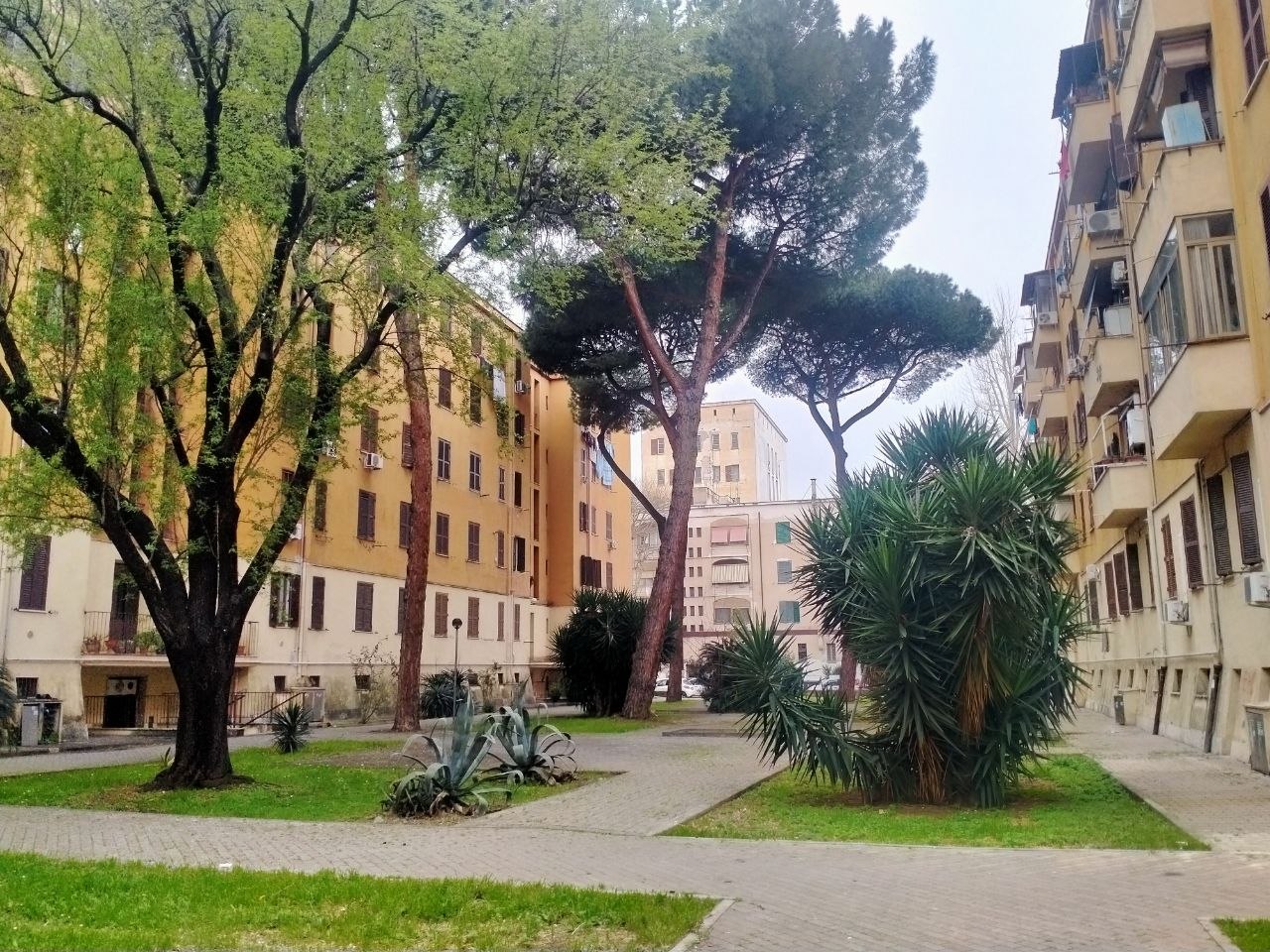
In the era of Polycrisis (Lände, 2003) we observe an increasing polarization between insitutional actions (top-down) and self-organized initiatives (bottom-up), with the emergence of new forms of informal production of urbanity that shape the image of a "do-it-yourself city" (Cellamare, 2019).
Traditional participatory mechanisms have proven to be a failure (Ostanel, 2017) and, despite the proliferation of “new” participatory approaches, empirical and academic evidence shows that they often reproduce the pre-existing distribution of power (De Gregorio Hurtado, 2025). Urban studies emphasize the need for a paradigm shift, centered on a revisitation of the participative territorial governance to address the complexity of the city.
Moreover, institutions are incapable of developing alternative and meaningful future visions and must be “looked after”. The transition towards an institutional change involves the creation of a ‘grand alliance’ between political and administrative institutions and civil society organisations to support prospects for change (Cellamare, b2025), by establishing a circular platform for mutual learning and joint action. It is possible to develop a draft methodology by observing European and Latin American experiences that place people's lives at the centre of public action (Rodríguez,
2023) to achieve an integrated local development (Cellamare, a2025).
Main actions are as follows: - mapping of residents’ professional skills and abilities to develop a proximity economy based on “collaborative ecosystems”; – mapping of disused spaces for reuse; - creation of a hub of local economies at city-level, to provide legal and technical support, connect the local initiatives and link the local dimension to the global one. The training of civil servants and local organizations is a crucial issue, starting with the definition of a common narrative and shared objectives, remembering Dewey’s conception of ‘collective intelligence’.
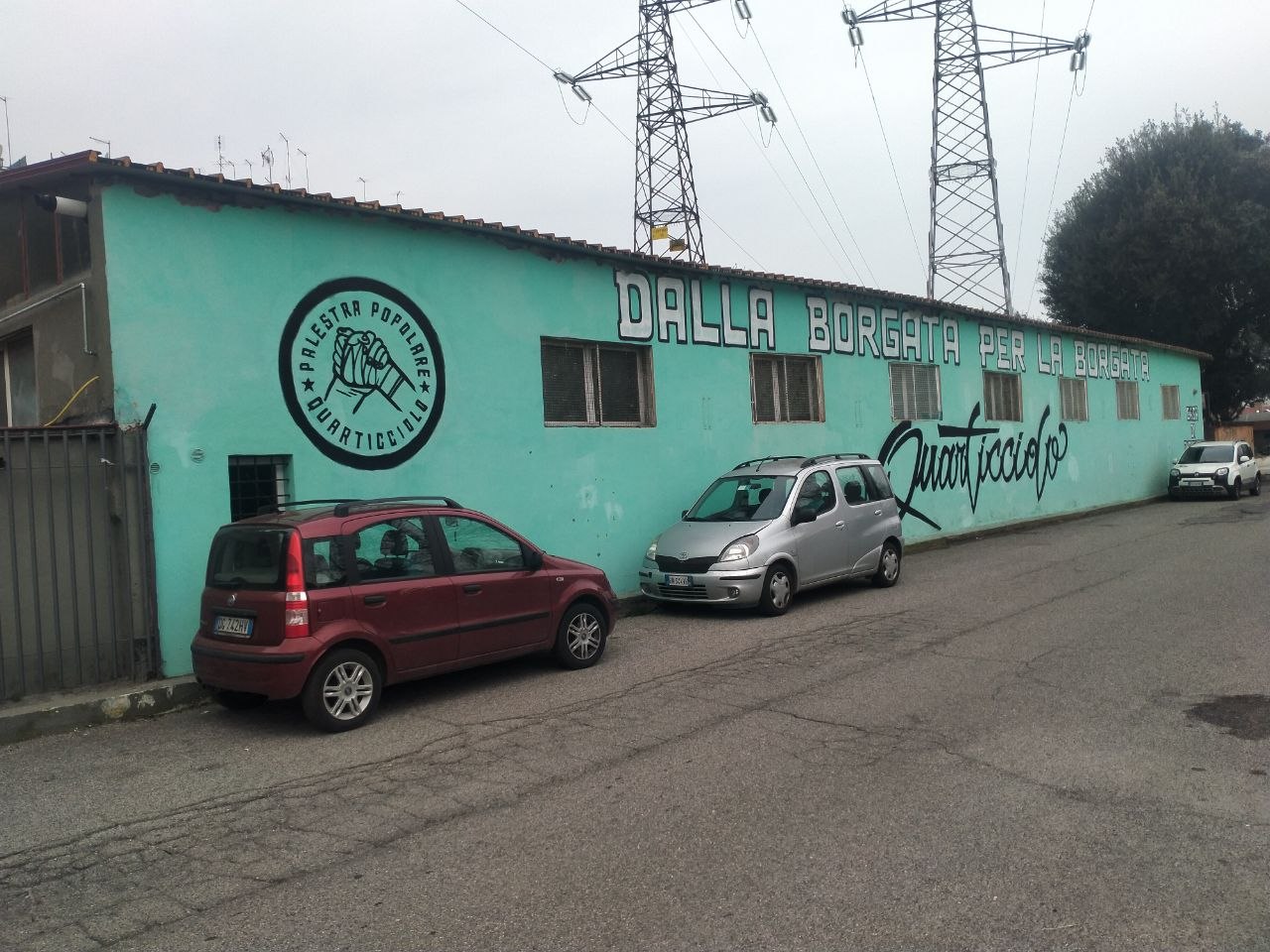
Image 15 - Quarticciolo neighbourhood popular_gym (photo: Inti Bertocchi)
Image 16 - Quarticciolo neighbourhood occupied_house (photo: Inti Bertocchi)
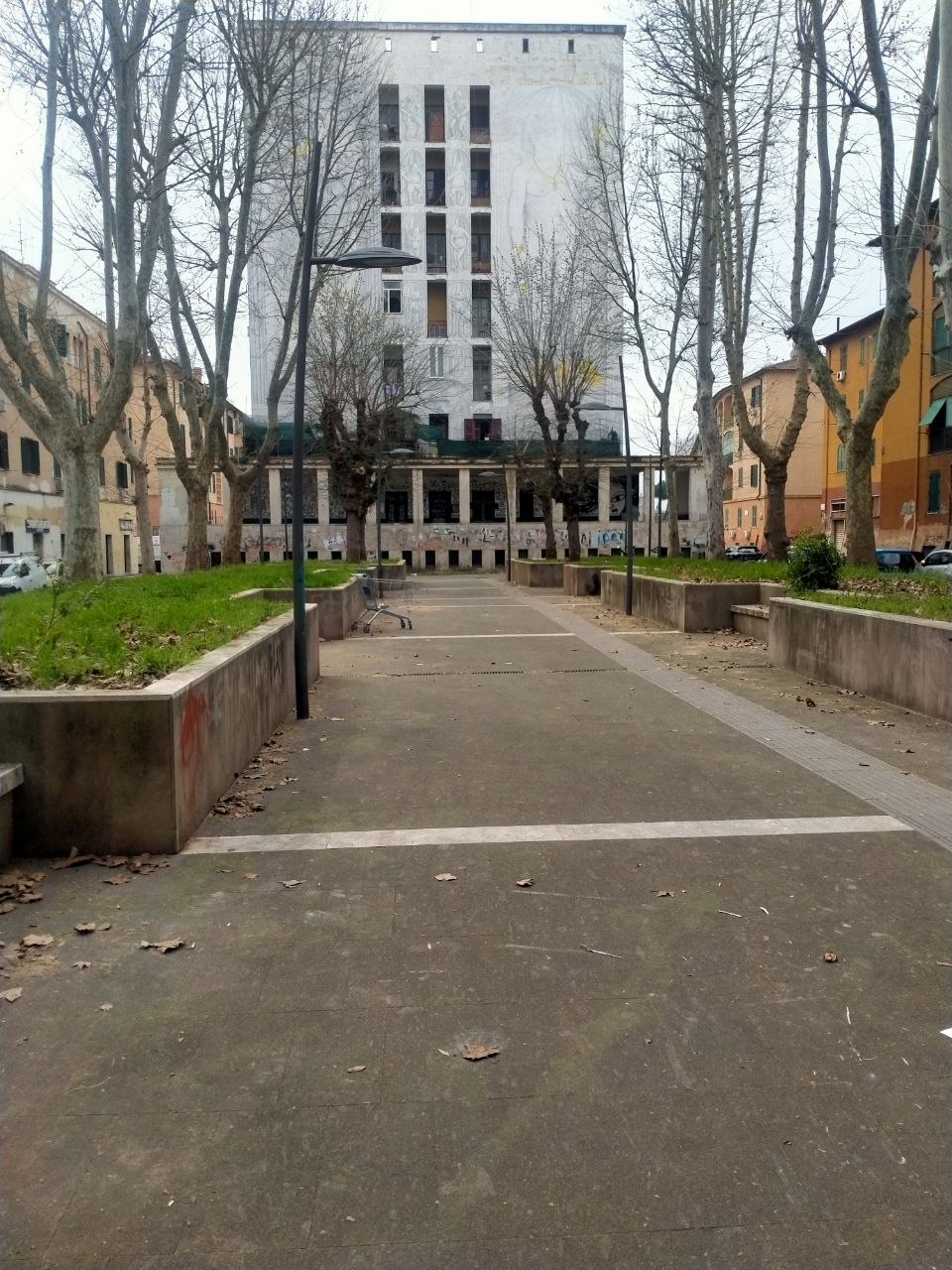
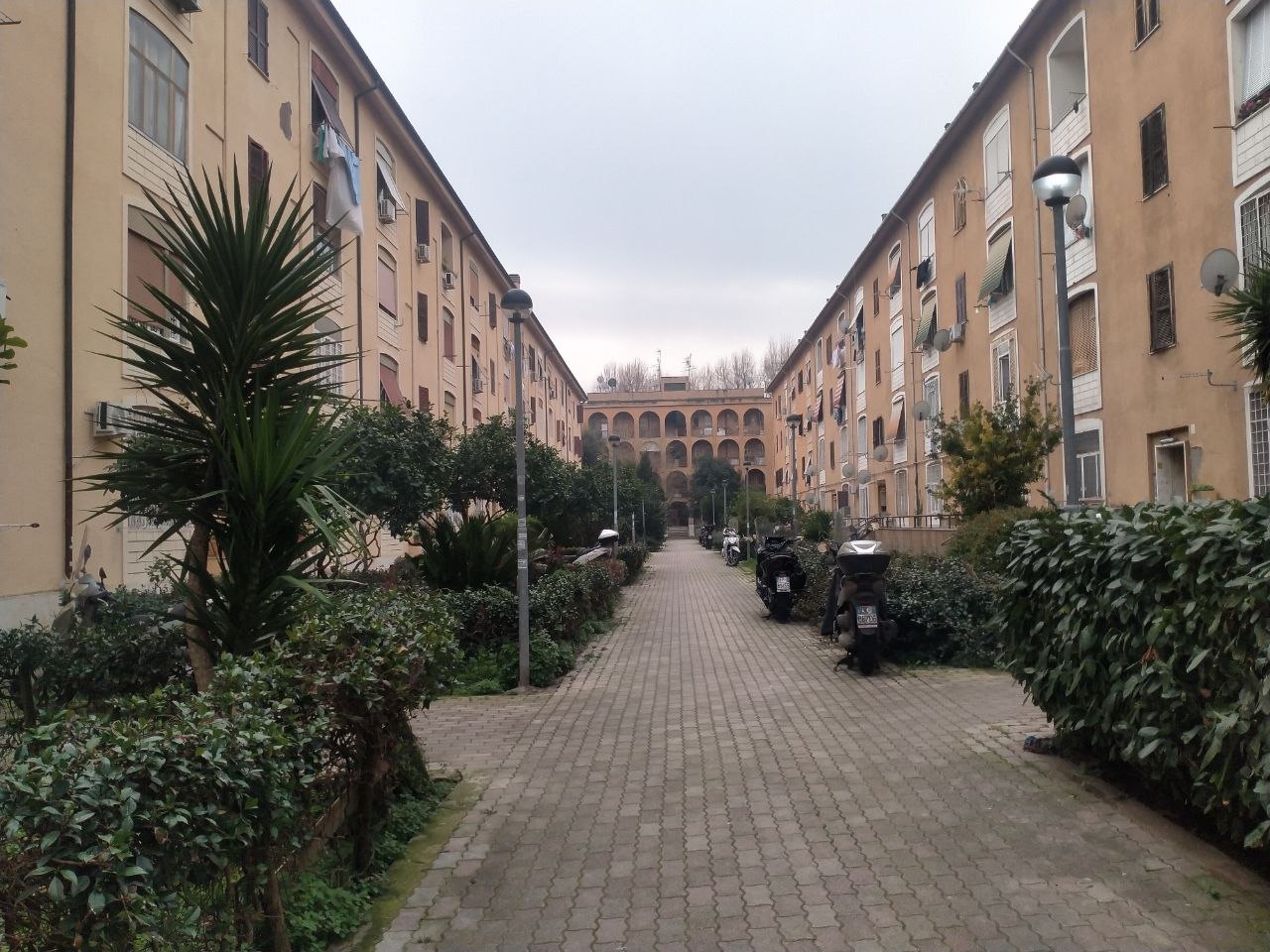
Image 17 - Quarticciolo neighbourhood buildings (photo: Inti Bertocchi)
Image 18 - Quarticciolo neighbourhood building (photo: Inti Bertocchi)
Between Art, Economy, and Care: A Case Study of Intergenerational Skill-Sharing and Circular Economy
Yelena Pozdnyakova
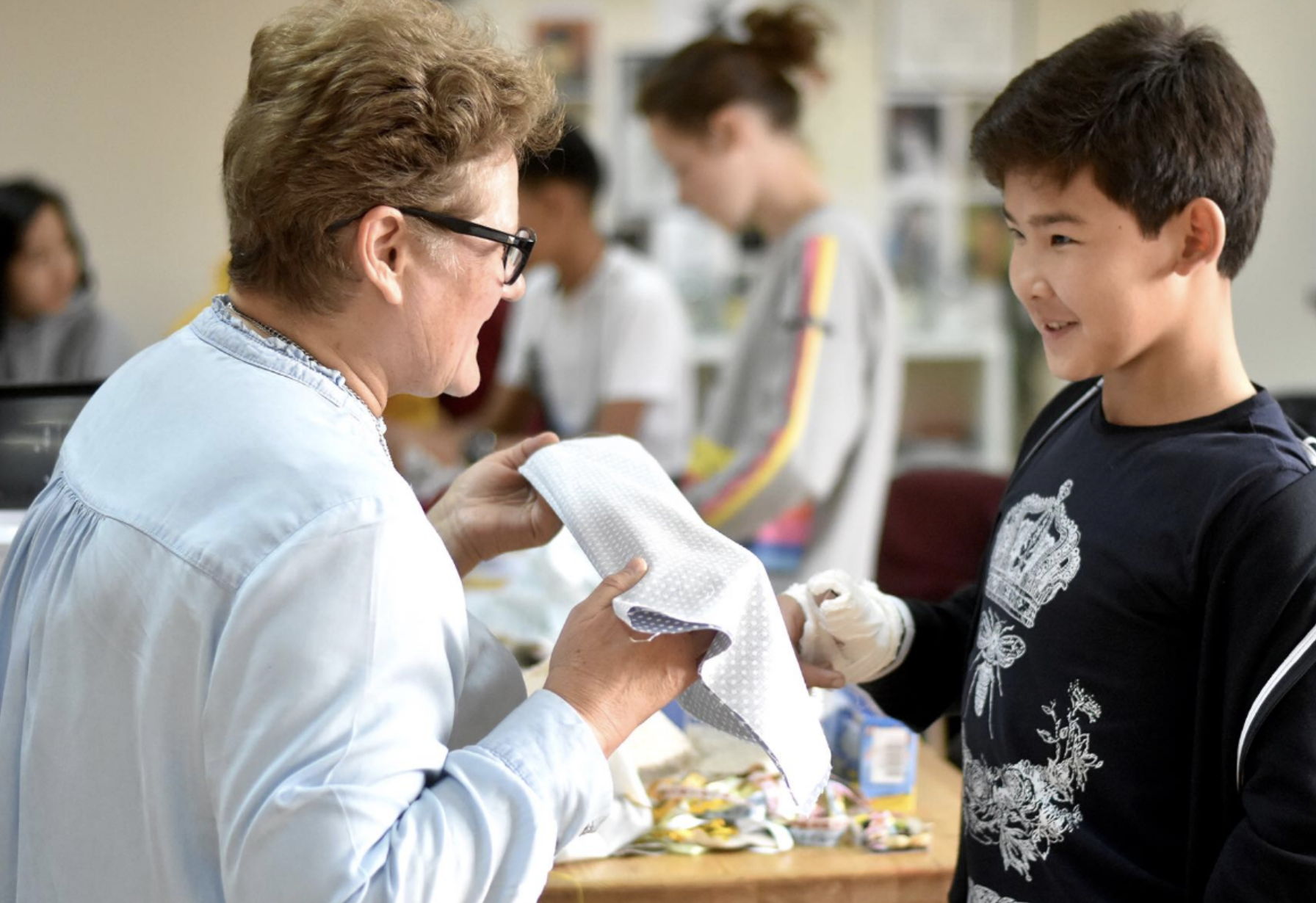
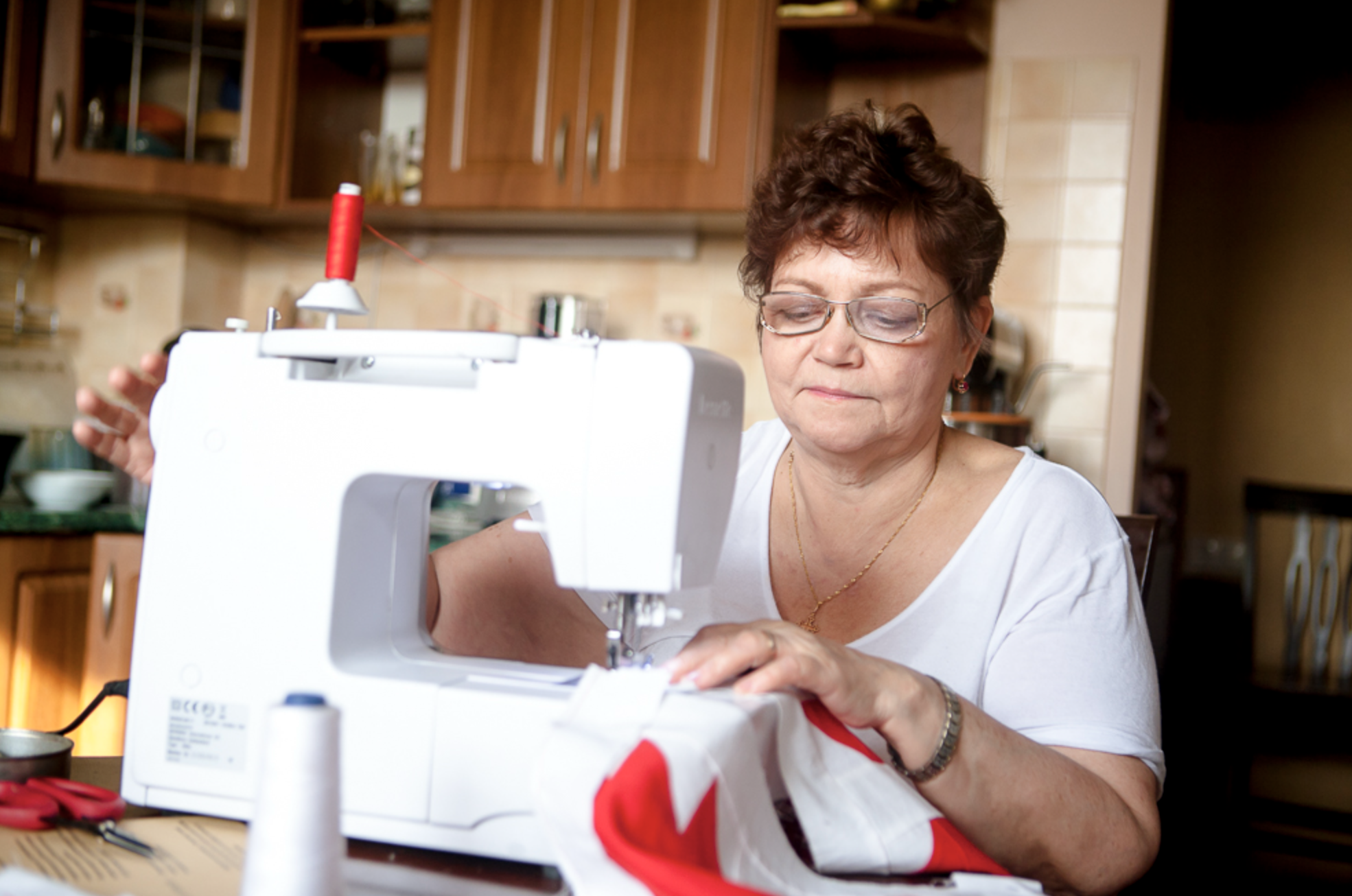
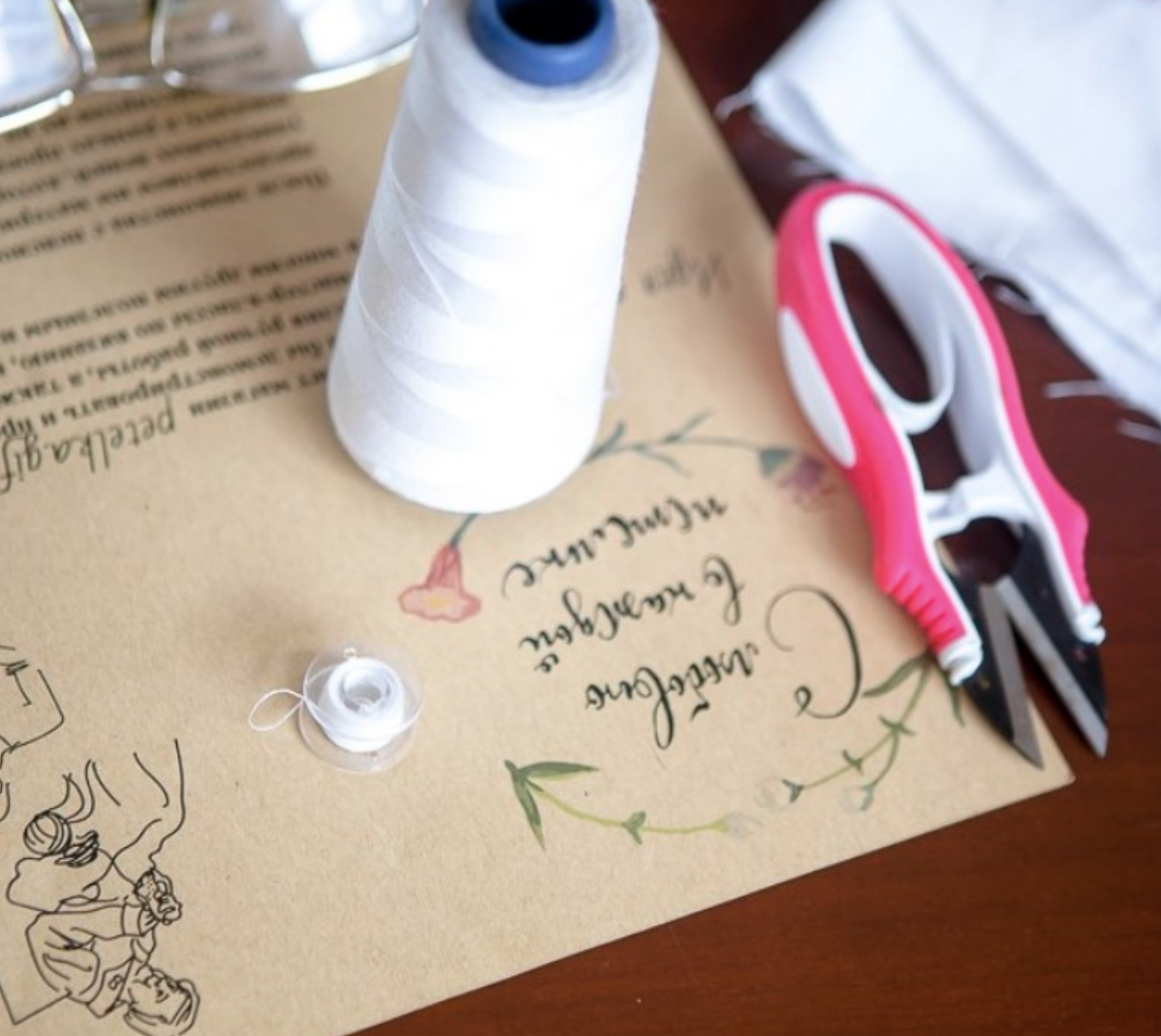
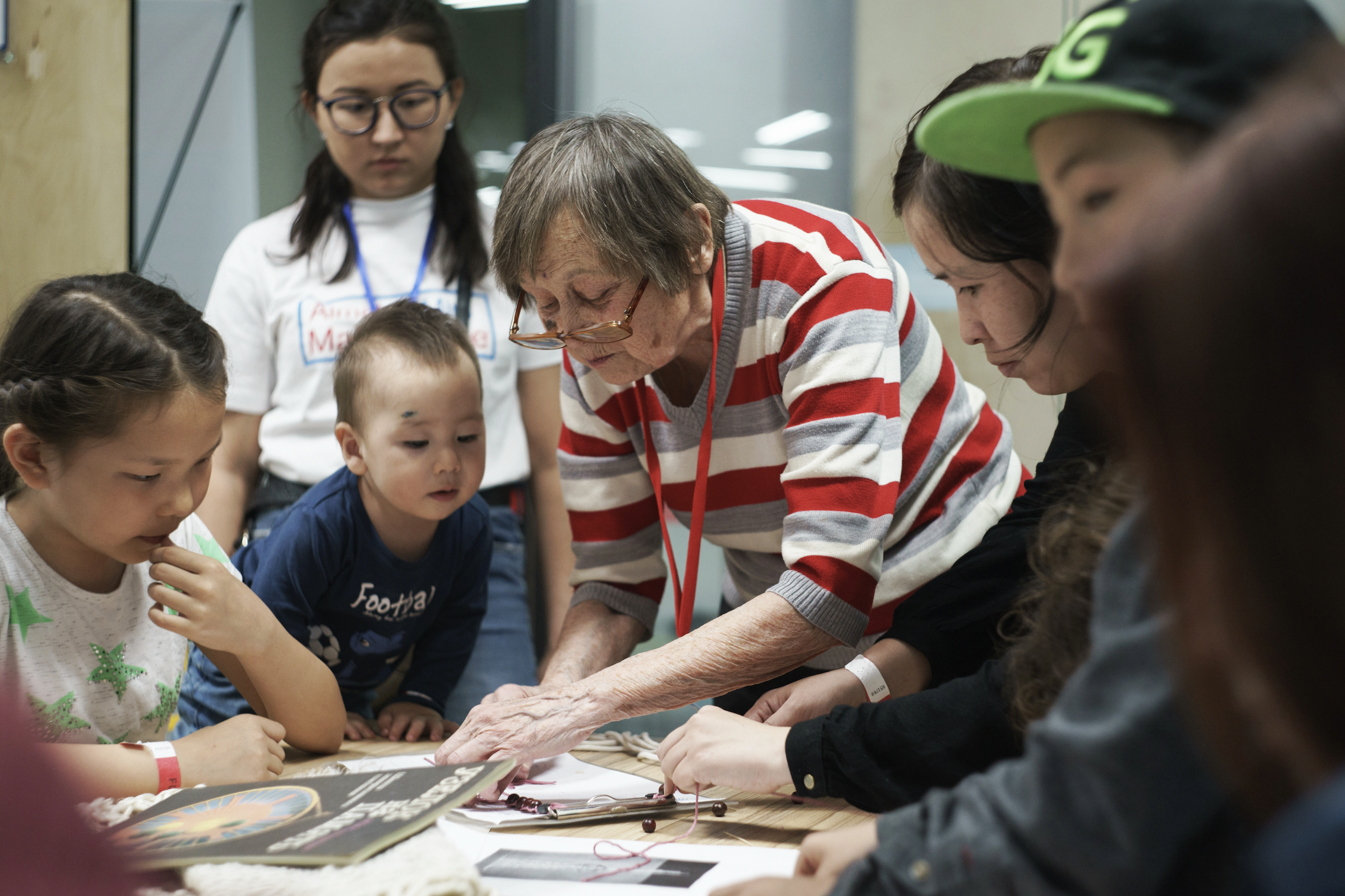
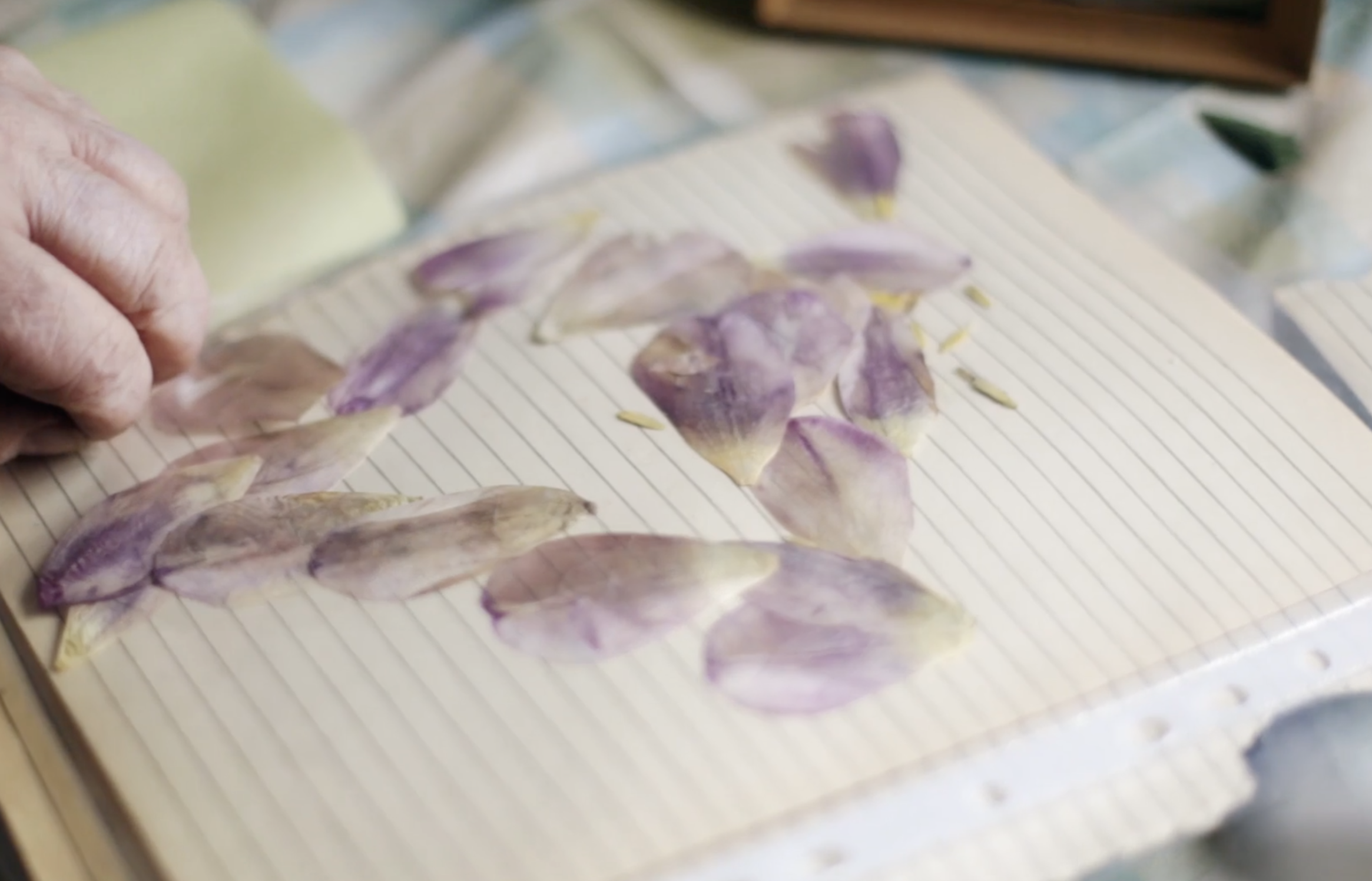
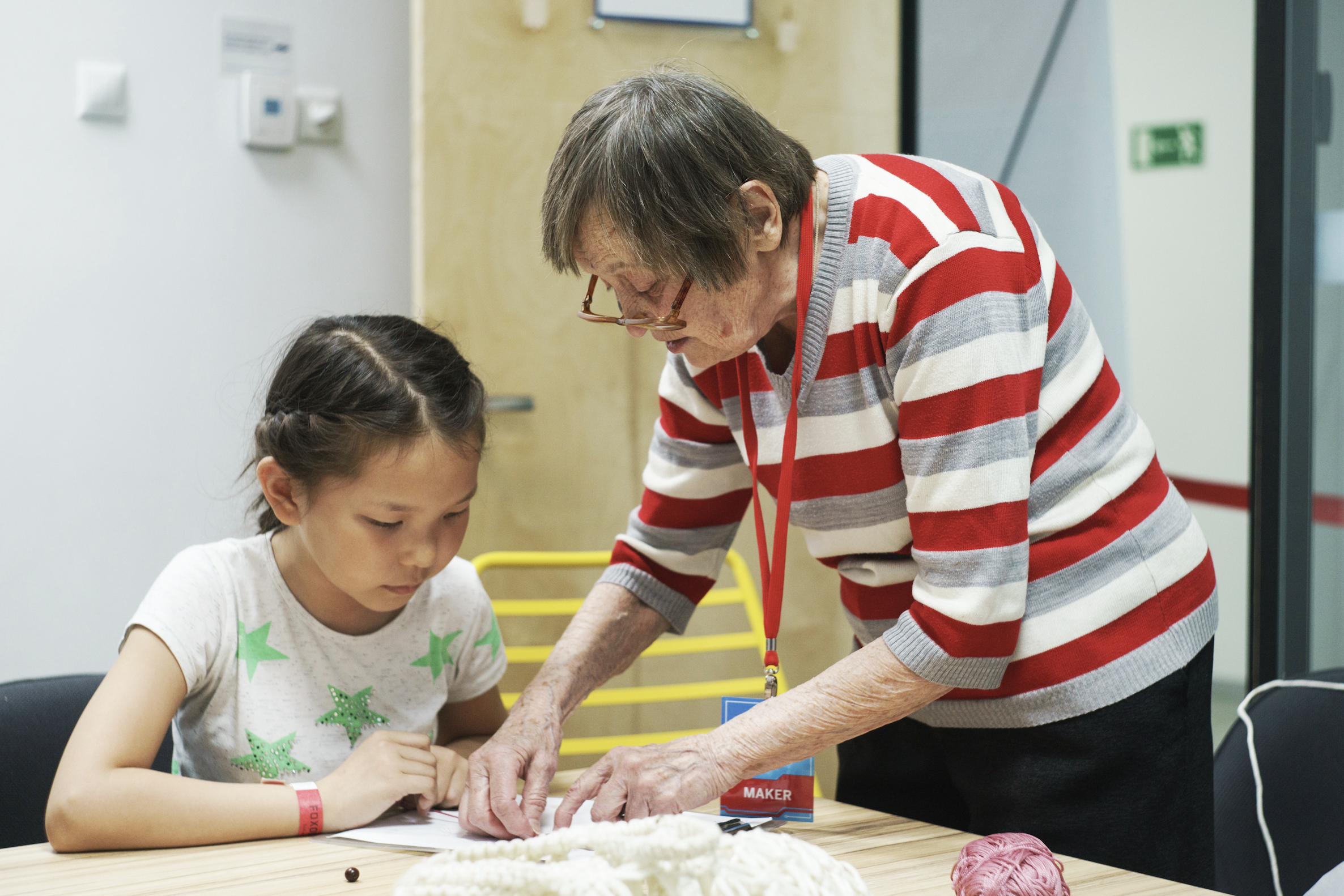
The proposed presentation examines the case study of Petelka.gift (“With Love in Every Stitch”), a community-based, intergenerational, and socially engaged initiative in Central Asia developed in cooperation with Berlin-based, Kazakhstani-born artist Lena Pozdnyakova. The project operated between 2016 and 2020 and continues today in a reduced, site-specific format. Co-founded by the author in collaboration with cultural workers and activists from Kazakhstan, Petelka.gift emerged at the intersection of socially engaged artistic practice, craft-based production, and social entrepreneurship. Centered on senior artisans as primary knowledge holders, the initiative revitalized traditional craft techniques—such as work with felt, sewing, knitting, and floral handwork—while integrating practices of recycling and upcycling discarded clothing and materials, thereby embedding circular economy principles within localized cultural and social ecosystems. This model enabled the extension of material lifecycles, the redistribution of value within local communities, and the intergenerational transmission of tacit, ancestral knowledge often excluded from formal economies.
Petelka.gift functioned through a hybrid model combining digital platforms, curated material production, workshops, and public-facing events that incorporated artistic and architectural approaches, presenting work within exhibitions, markets, and local cultural events, as well as within market-oriented contexts. By foregrounding senior artisans as active agents rather than beneficiaries, the project decentralized expertise and challenged extractive models of cultural production. The case study argues that creative, artistic, and experimental practices can operate as effective infrastructures for circular economies rooted in care, cultural memory and intergenerational skill-sharing participatory pedagogies. It further demonstrates how ancestral practices, when recontextualized through contemporary cultural and economic strategies, can meaningfully contribute to circular economy models that are socially just, locally grounded, and resilient.
Drawing on first-hand involvement, the presentation identifies key learnings for Station participants relevant to future circular economy initiatives, including the importance of intergenerational skill-sharing, fair compensation frameworks, and the role of socially engaged art in fostering sustainable, community-empowered systems. It concludes by outlining a set of methods and critical reflections that articulate what worked, what required significant change, and what key takeaways emerged from sustained collaboration with senior artisans throughout the project’s development.
Informed by the author’s PhD research on socially engaged and socially oriented artistic practice, the presentation also situates Petelka.gift within broader theoretical discourse on socially engaged art, engaging with Miwon Kwon’s concept of site-specificity and Grant Kester’s dialogical aesthetics.
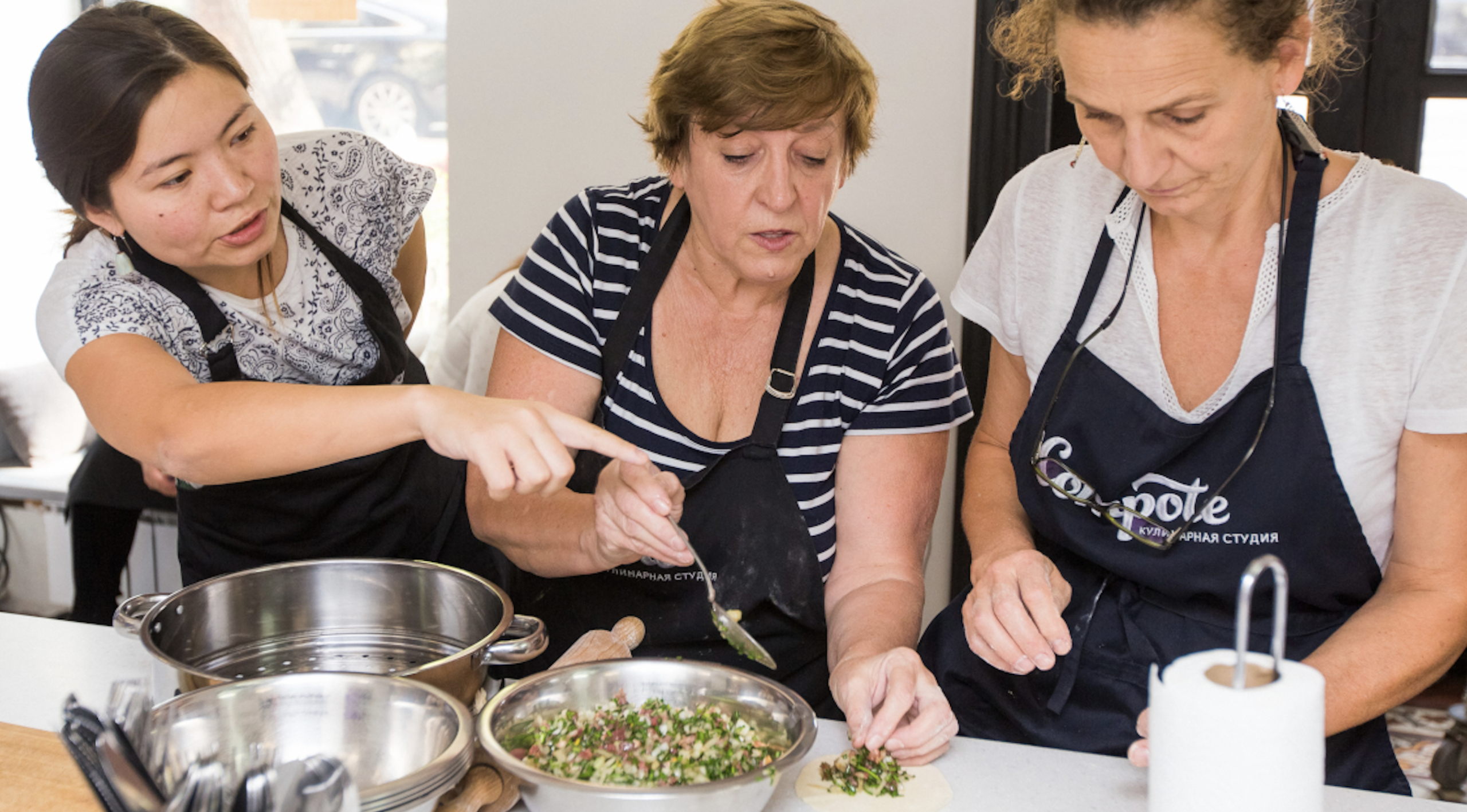
Image 19 - Intergenerational skill-sharing project Petelka gift_Almaty Kazakhstan_Cooking masterclass led by senior resident of the city (photo: Yelena Pozdnyakova)
Image 20 - Intergenerational skill-sharing project Petelka gift_Almaty Kazakhstan_Crafts masterclass led by senior artisan (photo: Yelena Pozdnyakova)
Image 21 - Intergenerational skill-sharing project Petelka gift_Almaty Kazakhstan_Crafts master-class led by senior artisan (photo: Yelena Pozdnyakova)
Image 22 - Intergenerational skill-sharing project Petelka gift_Almaty Kazakhstan_Crafts masterclass led by senior artisan (photo: Yelena Pozdnyakova)
Image 23 - Intergenerational skill-sharing project Petelka gift_Almaty Kazakhstan_handmade objects presented in the project (photo: Yelena Pozdnyakova)
Image 24 - Intergenerational skill-sharing project Petelka gift_Almaty Kazakhstan_Leaflet about the project (photo: Yelena Pozdnyakova)
Image 25 - Intergenerational skill-sharing project Petelka gift_Almaty Kazakhstan_objects presented in the project (photo: Yelena Pozdnyakova)
Image 26 - Intergenerational skill-sharing project Petelka gift_Almaty Kazakhstan_Senior artisan (photo: Yelena Pozdnyakova)
Image 27 - Intergenerational skill-sharing project Petelka gift_Almaty Kazakhstan_Toy-making masterclass led by senior artisan (photo: Yelena Pozdnyakova)